

Experiential Learning Program
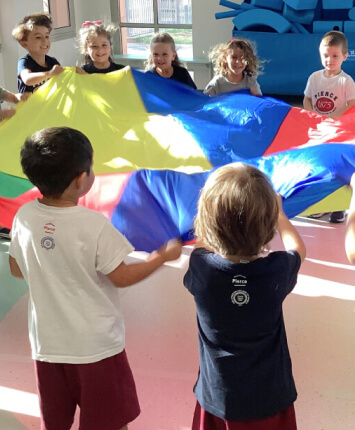
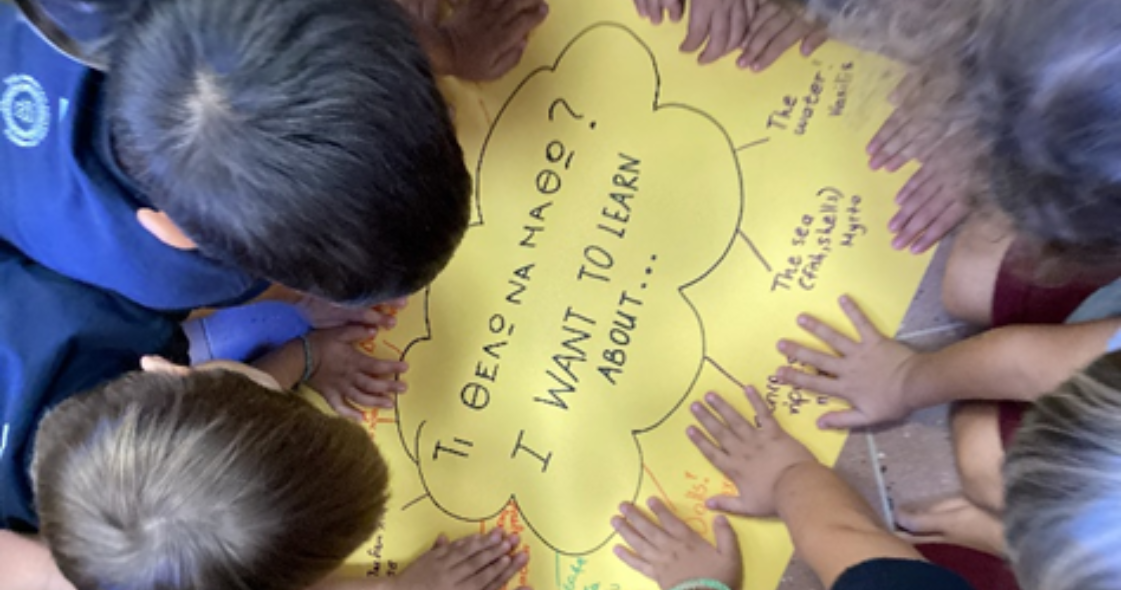
Throughout the school year, the kindergarten students at Pierce have the opportunity to choose their class projects. Guided by their imagination and creativity, they seek answers and solutions through processes of interaction and play.
The method of experiential learning, which underpins the educational approach in our bilingual kindergarten, centers on experience. Through this method, students are encouraged to connect their school experiences with real-life needs. This ensures that every genuine form of education is born out of action. The approach applied in our kindergarten allows children to be active learners, co-shaping their knowledge and experiences while participating in the formation of their learning process.
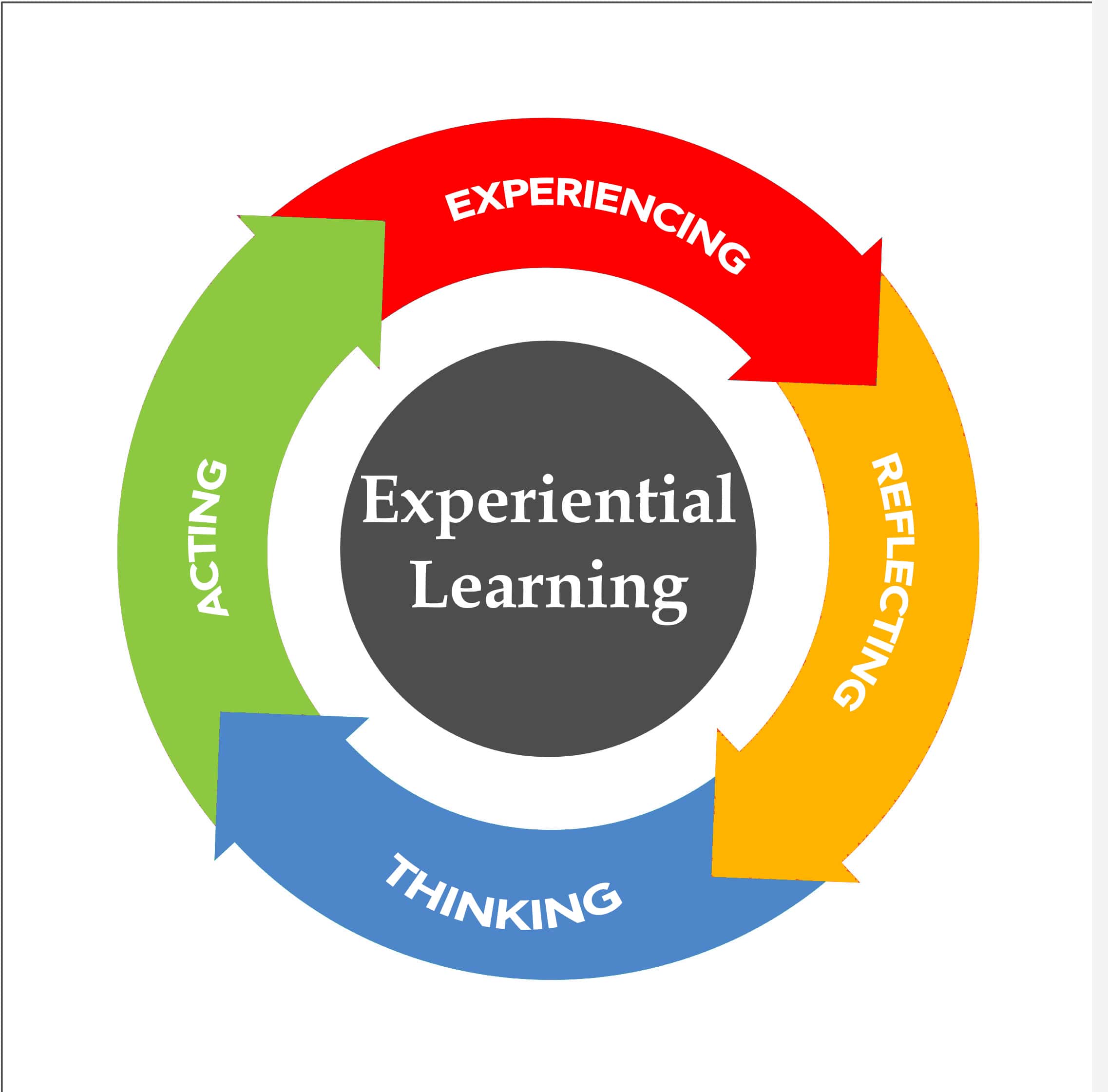
The process of experiential learning is based on a cycle of specific stages within a structured developmental framework to address the genuine interests of the students:
1. Planning or Reflection Stage (Awareness of a topic or problem)
This stage is guided by the interests of our students and is visually represented as a histogram.
2. Action Stage
The children implement their plans, gather materials, and process and analyze data, both individually with their families and within their groups. Examples of these activities are shared with parents weekly.
3. Presentation Stage
In this stage, potential answers to questions and concerns are formulated collaboratively.
4. Evaluation Stage
Feedback and assessment of the learning experience are conducted.
The completion of each project always marks a new beginning! Our goal is to support each student according to their developmental and emotional transitions. We aim to document these transitions—both individual and group-level—every step of the way. We understand that these transitions signify the personal growth of each child and effectively support their academic and school development.
"There are two goals in the experiential learning process. One is to learn the specific subject, and the other is to learn about one’s own learning process."
—David A. Kolb
.png)
.png)