
Vegetable Garden
Search..
Vegetable Garden
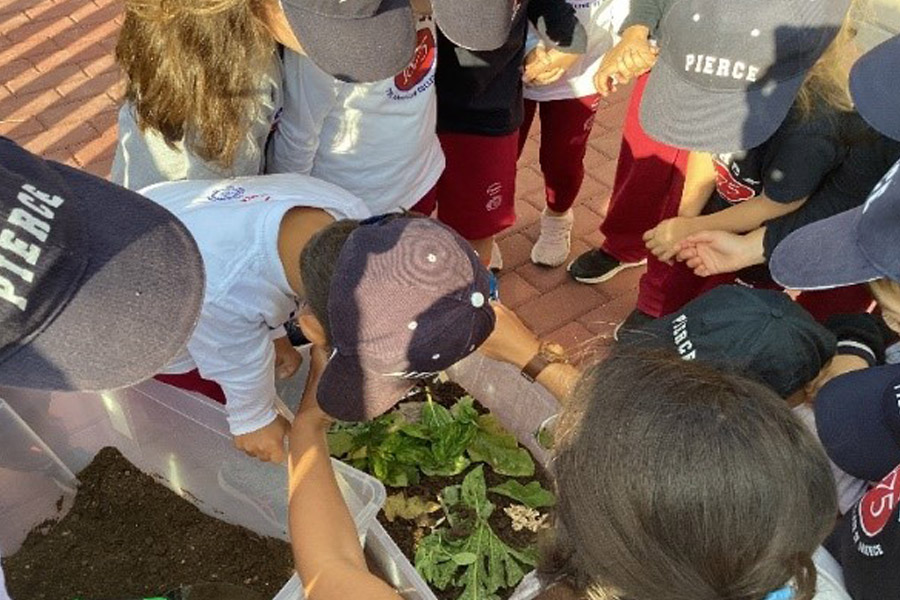
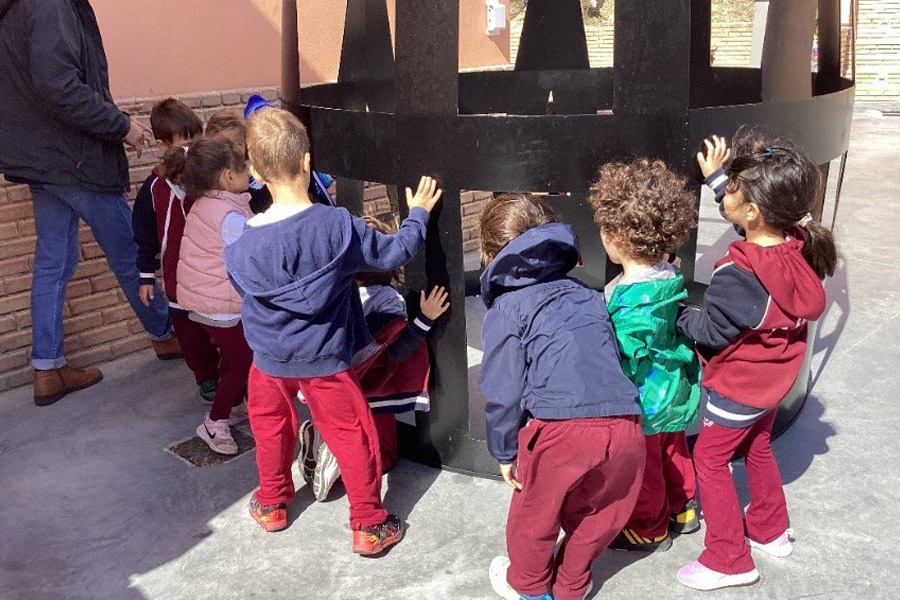
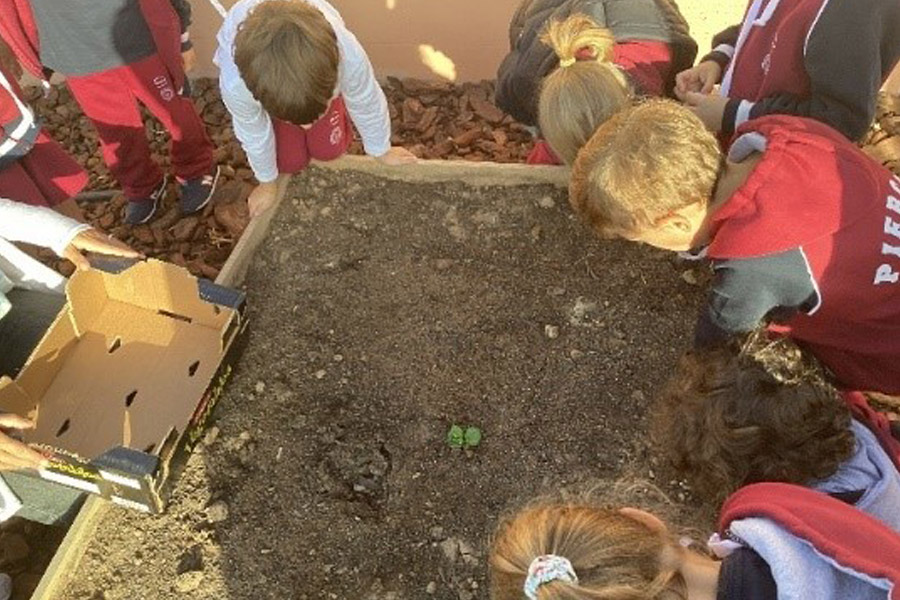
The adventure of engaging with nature supports students in their journey of personal growth and the developmental and emotional changes occurring at this stage of their lives. The teaching methodology for Natural Sciences and Personal & Social Development, as defined by the Kindergarten Curriculum, leverages research and action-based learning provided by the environment of the vegetable garden, tailored to the children’s age and interests. The goal is for students to adopt an exploratory attitude toward their experiences in the garden, strengthen interpersonal relationships, and activate their senses.
Cooking Workshop
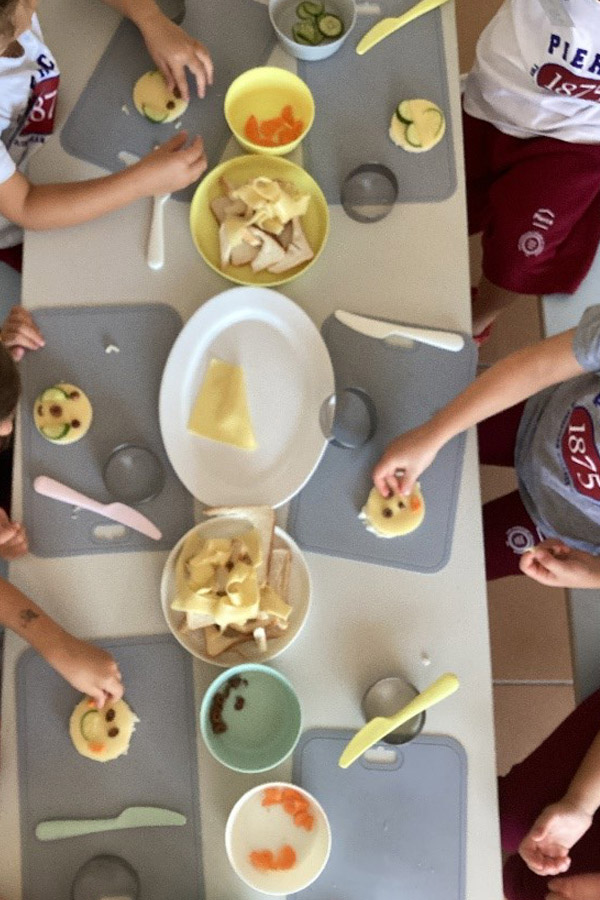
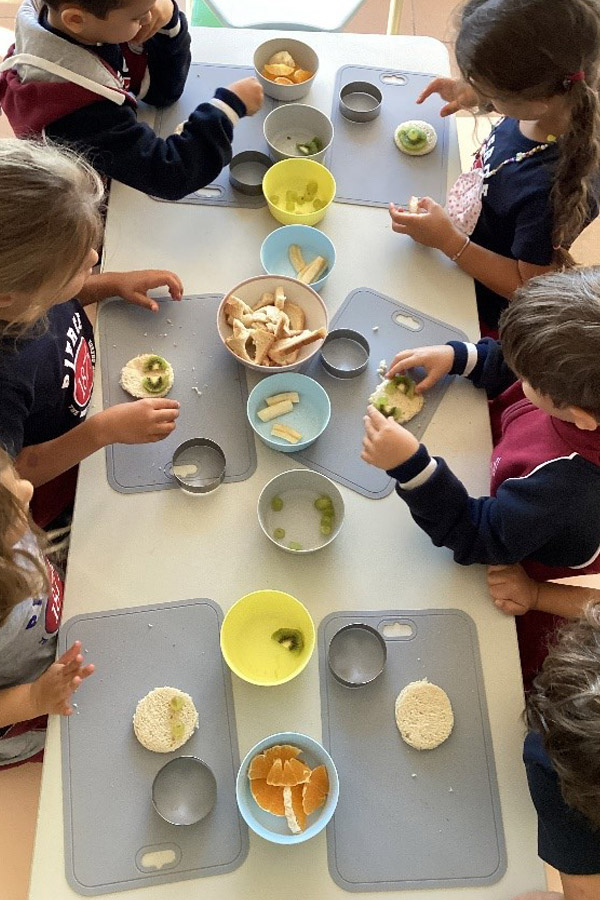
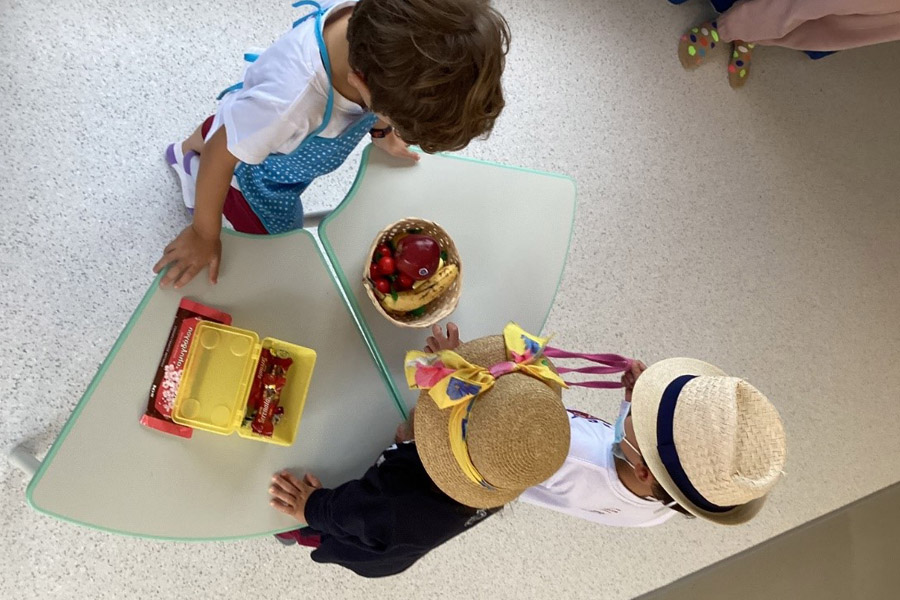
While cooking, children develop skills such as attention to detail and the use of tools, techniques, and materials. They become more autonomous and learn to collaborate by following recipes accurately. In the Cooking Workshop, students "learn how to learn" through a fun and creative activity. The teaching methodology for Natural Sciences and Education for Sustainable Development, as defined by the Kindergarten Curriculum, is applied in the Cooking Workshop, helping achieve learning objectives such as adopting positive attitudes toward nutrition and well-being, expressing and communicating ideas, and practicing fine motor skills.
Music Workshop
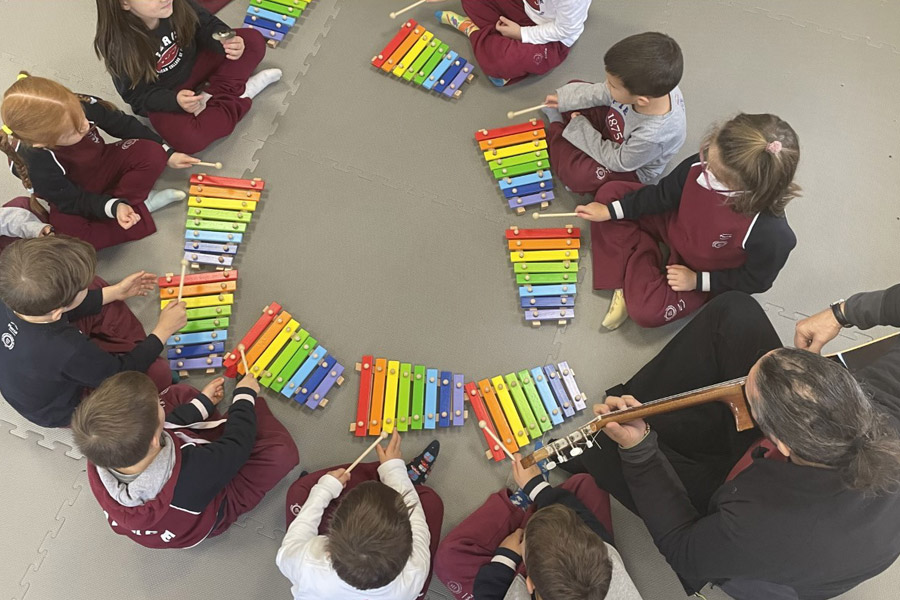
The Music Workshop in the Pierce Kindergarten curriculum encourages students’ auditory exploration, enabling them to acquire musical knowledge and skills appropriate to their developmental stage. Students are exposed to a variety of musical stimuli to foster responses to music (e.g., singing, movement) and the opportunity to experiment with and explore musical elements individually. The teaching methodology for the Arts, as outlined in the Kindergarten Curriculum, supports these purposes within the Music Workshop.
Theatrical Play Workshop
Through the Theatrical Play program, children are encouraged to express themselves both verbally and non-verbally, recognize and manage their emotions, and identify their strengths and weaknesses, boosting their self-esteem and confidence. The teaching methodology for the Arts, as defined by the Kindergarten Curriculum, supports the activation and release of imagination, communication, and human relationship-building.
Art Workshop - Atelier
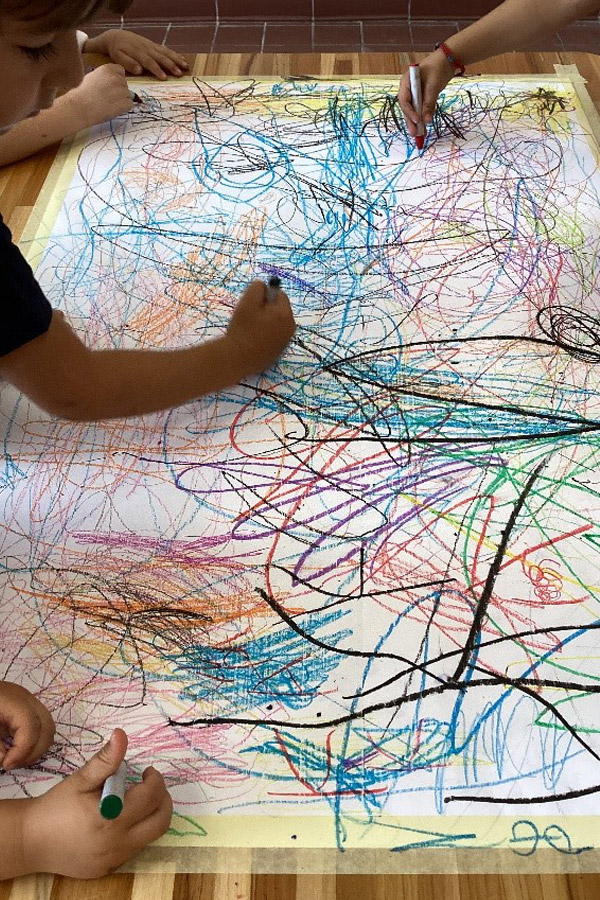
In the context of literacy in the language of art, children learn basic principles of painting and sculpture experientially. They delve into artworks, developing the ability to observe and appreciate the broader aesthetic experience. The teaching methodology for the Arts, as defined by the Kindergarten Curriculum, supports goals such as activating imagination, communication, fostering aesthetic and social education, and developing values that encourage respect for diversity.
Psychomotor Education Workshop
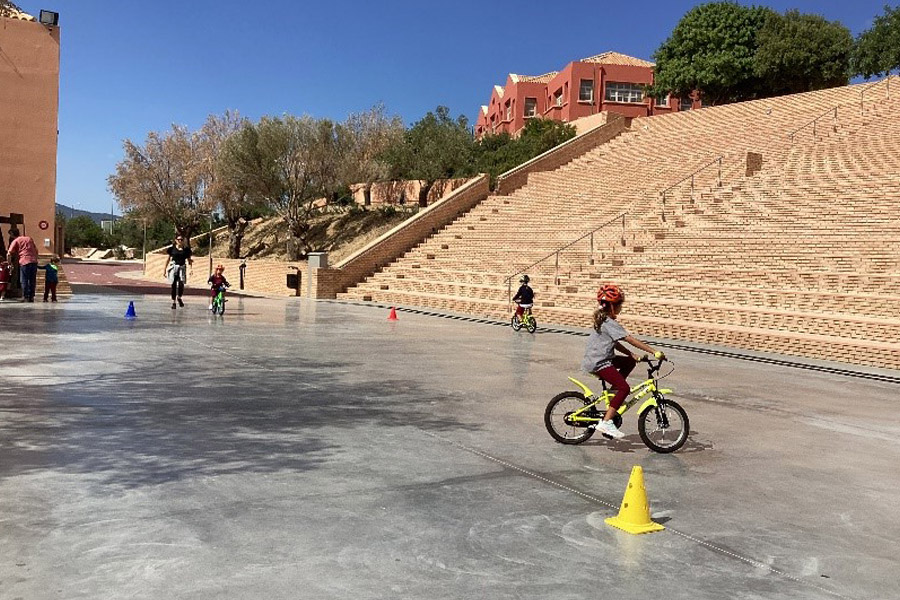
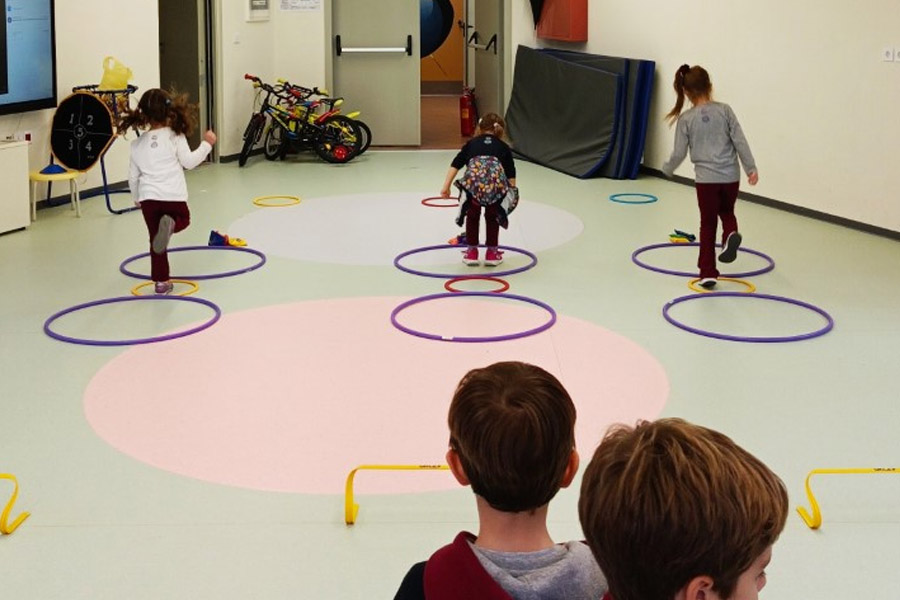
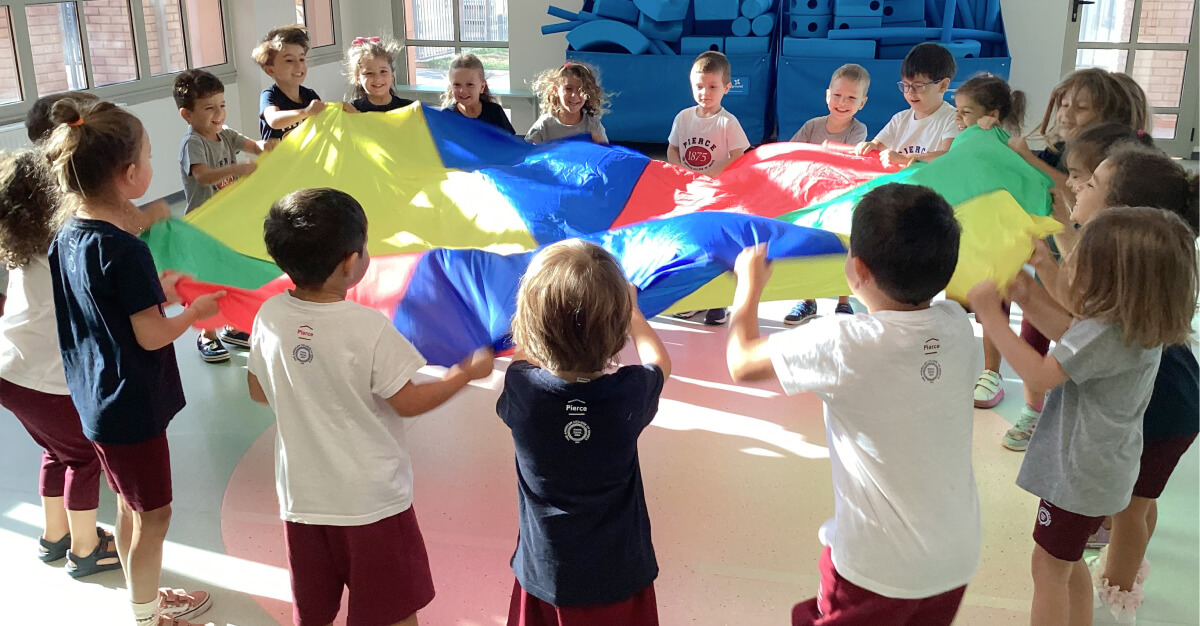
Psychomotor Education "aims to organize the child’s overall experience and help them discover themselves and the world around them" (Kougiali), emphasizing the connection between movement, cognition, and emotion (De Meur and Staes). The teaching methodology for Physical Education, as defined by the Kindergarten Curriculum, focuses on body control and awareness, creative expression through movement, and respect for rules and collaboration in play.
New Technologies/STEAM Workshop
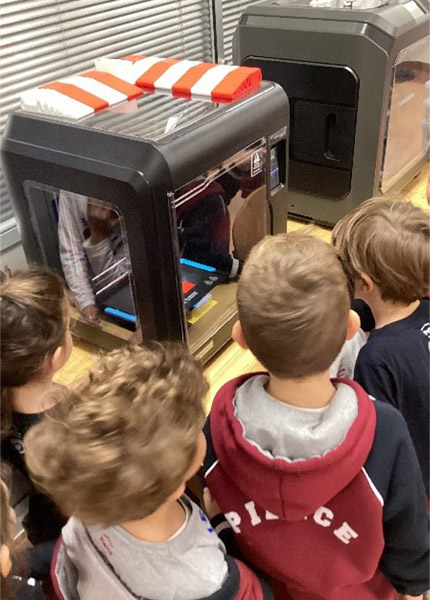
In Kindergarten, New Technologies provide children with experiences connected to their daily lives, enhancing the role of play as a dominant factor in their development (Vygotsky). The goal is for children to interact with technology daily, both in classroom learning centers and in the STEAM/Makerspace workshop. The teaching methodology for New Technologies, as outlined in the Kindergarten Curriculum, supports the exploration, organization, management, and production of information, communication, collaboration, and understanding of digital media’s significance in society and culture.
Home Cinema Space
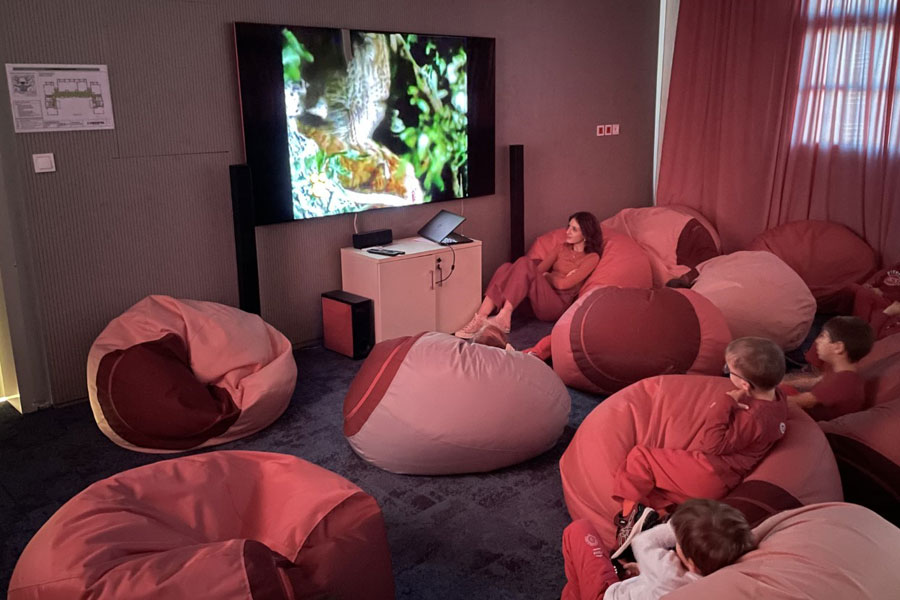
The Home Cinema in Kindergarten is both a means of communication and a tool for social interaction and collaboration. The teaching methodology for New Technologies, Language, and the Arts, as outlined in the Kindergarten Curriculum, serves goals such as fostering imagination and creativity, organizing and managing information, and understanding the significance of digital media.
Library
The library is a space where children engage with books, enriching their vocabulary and becoming familiar with all forms of written expression. The teaching methodology for Language, as defined by the Kindergarten Curriculum, supports creating messages, managing communication strategies, and exploring different forms of written text.
The libraries at the East Campus are well-stocked lending libraries with books carefully selected for each age group and topic, evaluated for their suitability. Students can borrow books regularly, connect with the central Pierce Library, and engage in discussions and activities with teachers and classmates about their readings.
Literary Workshop Program
The Literary Workshop is an experiential creative play workshop that uses language to open paths for exploring the world and its secrets.
The goal is for children to discover the richness of the Greek language, its grammar, syntax, and literature in a fun and engaging way, cultivating linguistic skills and the ability to communicate, discovering the "magic" of language, and expressing their imagination creatively.
Arkki (School of Architecture for Children and Youth)
The Arkki program is an innovative educational initiative that introduces students to:
- Experiential education in technology, science, and arts,
- Development of strategic and creative thinking,
- Connecting school activities to the outside world.
Chess
The introduction of chess to kindergarten students aims to provide joy and enjoyment through this intellectual sport. Starting in the 2024-2025 school year, chess will be integrated into the Kindergarten curriculum, helping students develop self-regulation, patience, and strategic thinking skills while reinforcing values such as responsibility, respect, and kindness.